General Machining
General Machining & Job Shops: Standardise on Zero-Point
In high-mix job shops, setup time — not cutting time — usually decides what a machine can produce in a day. Standardising on a common zero-point interface and reaching difficult features without a second machine are the fastest ways to lift utilisation.

Machining challenges in general machining
- Setup time dominates on high-mix, low-volume work
- Deep pockets, side bores and cross holes are hard to reach vertically
- Mixed jobs move across several machines with different setups
- Recovered spindle time only pays off if it can be sold
How our workholding & tooling helps

Zero-point positioning
A common interface grid across machines lets pre-set jobs drop in and locate in seconds, standardising fixturing and lifting spindle utilisation.
Zero-Point Positioning Systems
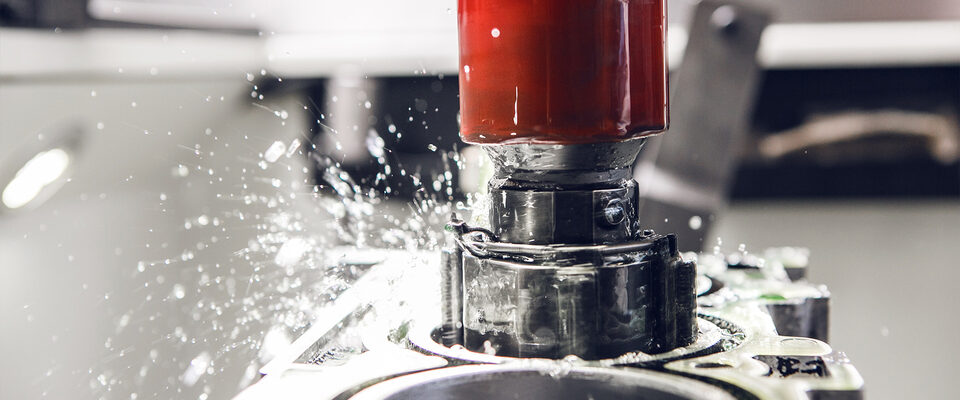
Angle head milling cutters
Fixed or adjustable heads reach deep cavities, side bores and cross holes in one operation, instead of a second setup or a new machine.
Angle Head Milling CuttersTypical parts
- Moulds and dies
- One-off fixtures
- General precision parts
- Sub-assemblies
Representative scenario
Challenge — Deep cavities, side bores and cross holes are hard to reach with a vertical spindle, and every job needs its own setup.
Solution — Angle head milling cutters reach the features, while a common zero-point grid standardises fixturing across machines.
Result
- One setup instead of two
- Standardised fixtures across machines
- Higher spindle utilisation
Illustrative scenario based on typical results, not a specific client engagement.