LMLinkMasterCNC FIXTURE SOLUTIONS

Custom Workholding Fixtures

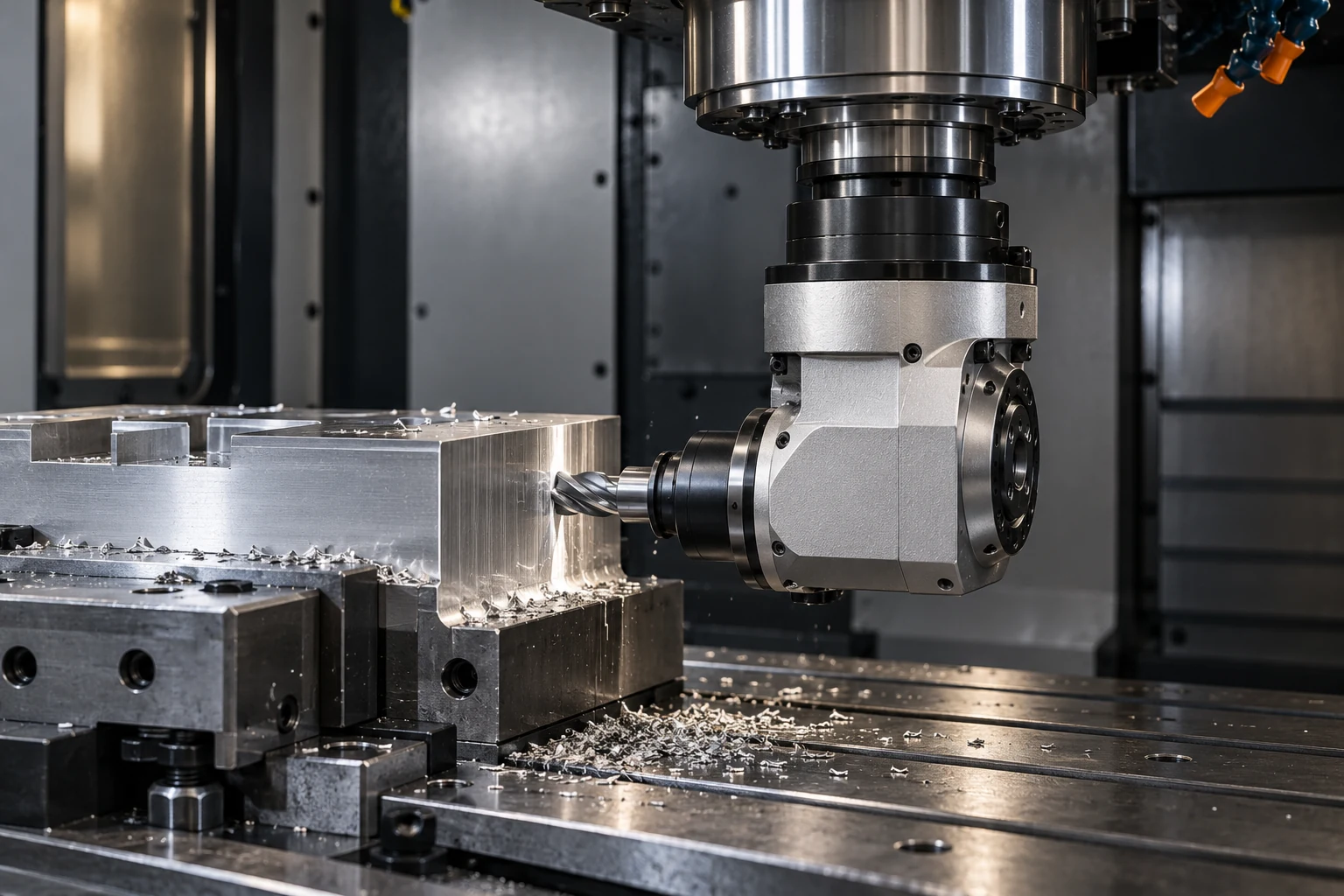
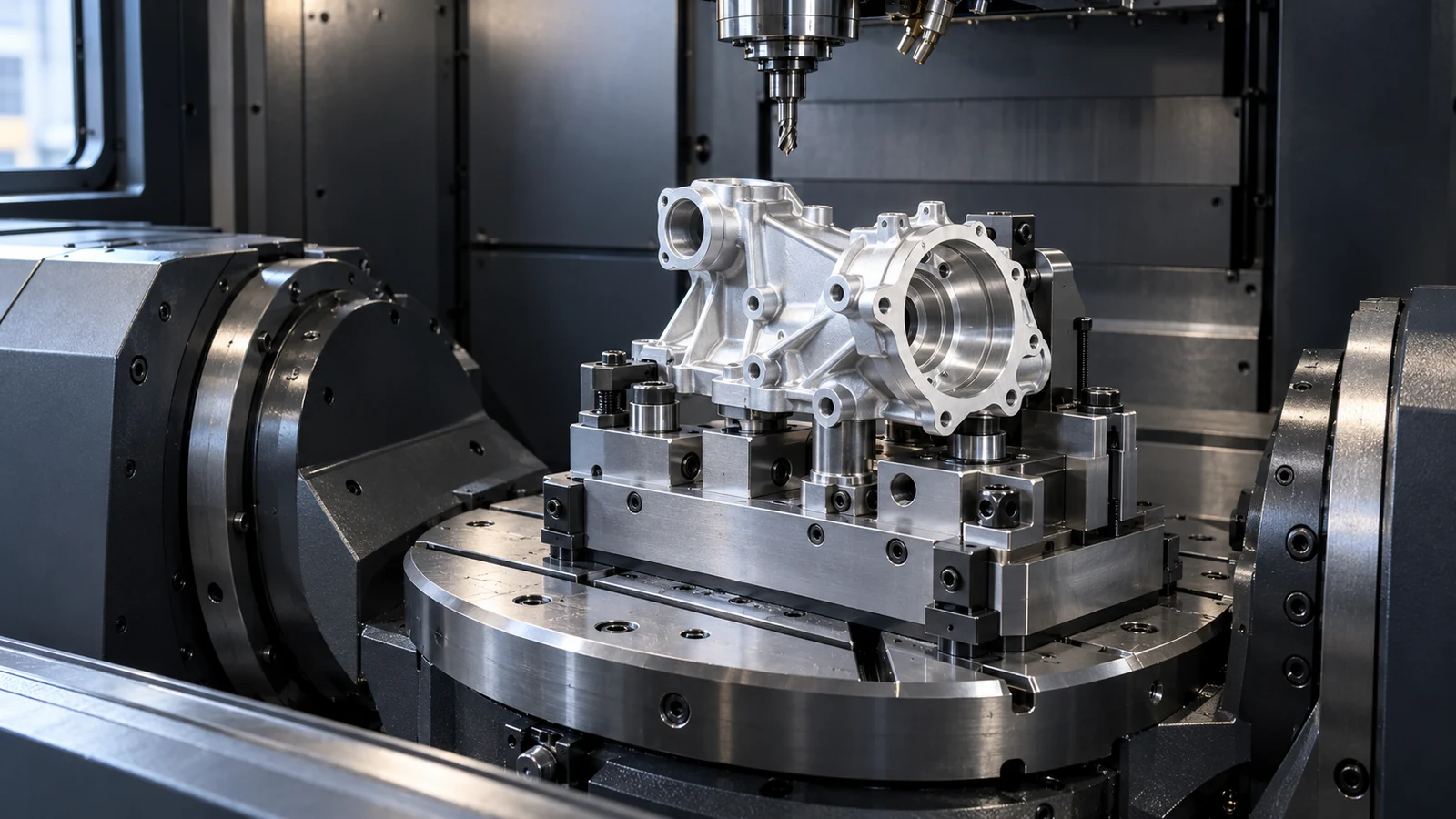
Illustrative configuration · A custom multi-axis workholding concept shown in a machining environment.Illustrative configuration

Illustrative configuration · A custom multi-axis workholding concept shown in a machining environment.

Overview

Custom workholding starts from the part, not from a catalogue. Our team reviews the datum scheme and force path with you, agrees how the part is located and clamped, then develops the build in our factory. Configuration, capacity and lead time are defined per project and confirmed during application review.

Key Features

  • Datum strategy: critical locating faces and force paths defined first
  • Stable clamping balanced against rigidity, access and distortion control
  • Manual, pneumatic or hydraulic actuation, selected around the process
  • Modular base plates and standard grids to improve fixture reuse
  • Validated through fit-up, inspection and application feedback

Product Range

  • Dedicated part-specific fixtures
  • 3-axis, 3+2 and 5-axis machining fixtures
  • Modular base plates and sub-plates
  • Low-profile and modular-grid workholding
  • Manual clamping fixtures
  • Pneumatic clamping fixtures
  • Hydraulic clamping fixtures
  • Welding and assembly fixtures

Factory-engineered product range

Product types and configurable specifications

These product families are developed and manufactured around the part and process. Share your drawing and operating conditions to confirm the final dimensions, capacity, interfaces and acceptance criteria for the specific project.

3+2 and 5-axis machining fixtures

Low-profile fixture concepts for multi-face machining, designed around rotary-table mounting, part datums and the tool-access envelope. Clamp style and support points are selected to balance rigidity with access and workpiece protection.

Configuration reviewed for each project

  • Rotary table make/model, face size and mounting interface
  • Part envelope, mass, datum scheme and machining sequence
  • Tool reach, tilt/rotation clearance and clamp height limits
  • Manual, pneumatic or hydraulic actuation and required utilities
  • Existing zero-point or modular grid pitch (including 52 / 96 mm systems where applicable)
  • Required locating repeatability and project acceptance method
Request an engineering review

5-axis CNC vises and jaw configurations

Compact vise and jaw concepts for multi-face machining, selected around the part geometry, datum strategy and rotary-table or pallet interface. Jaw contact, clamping direction and tool access are reviewed together so the setup can hold the workpiece without unnecessarily blocking machined faces.

Configuration reviewed for each project

  • Part envelope, material, datum faces and loading direction
  • Jaw style, contact geometry, replaceable inserts and workpiece protection
  • Machine table, rotary-table, pallet or existing zero-point interface
  • Clamp direction, operating method and required utilities, if applicable
  • Tool clearance, part access and machining sequence
  • Required holding conditions and project acceptance method
Request an engineering review

Modular-grid and quick-change fixture plates

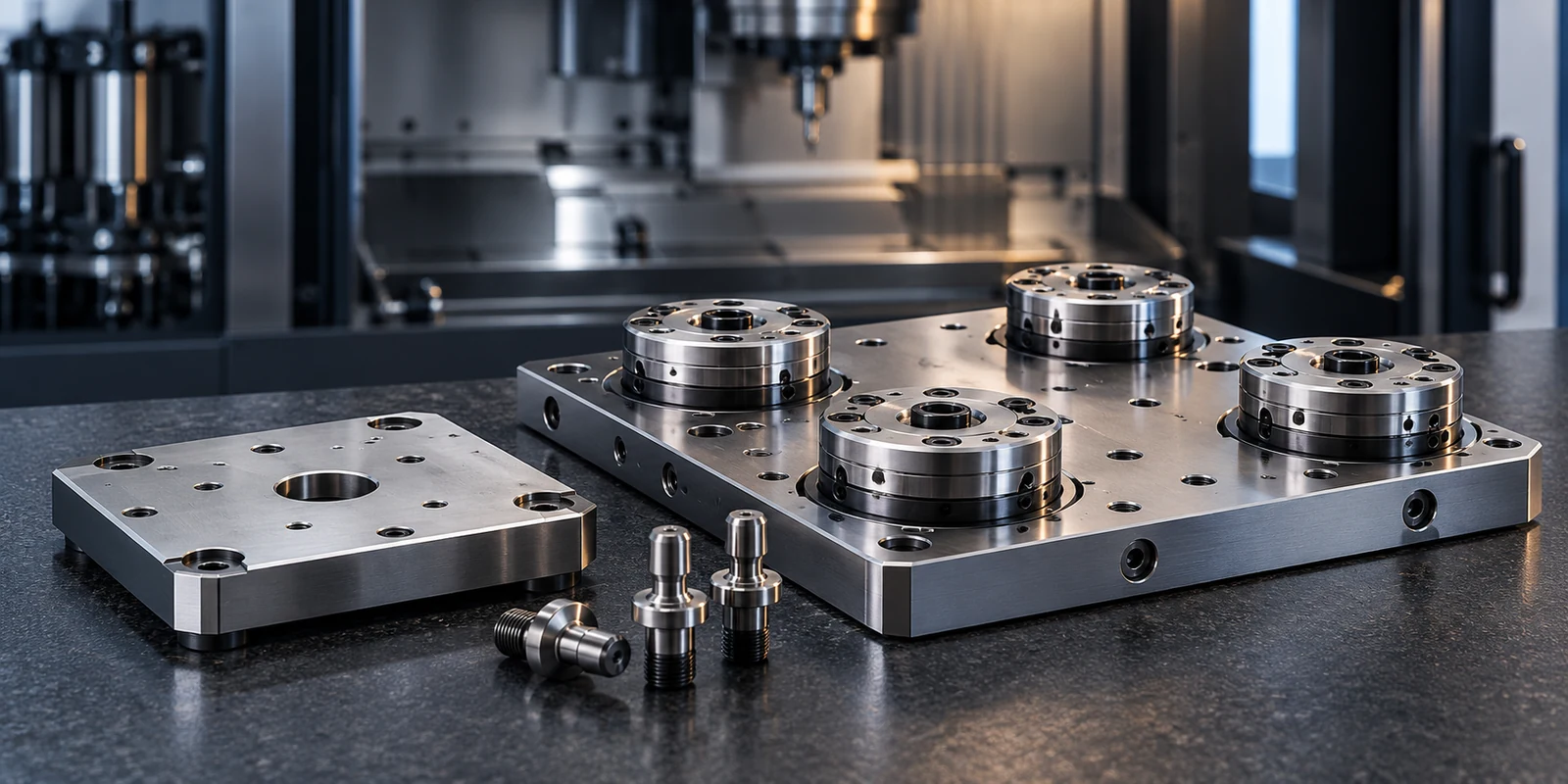
Reusable fixture-plate and sub-plate layouts for part families or frequent changeovers. Existing machine-table and quick-change interfaces are reviewed before the plate pattern, locating elements and clamp positions are finalized.

Configuration reviewed for each project

  • Machine table, pallet or existing zero-point interface
  • Grid pitch, hole/thread pattern and plate envelope
  • Part family, station count and changeover sequence
  • Clamping elements, utility routing and chip/coolant management
  • Datum transfer, plate flatness and inspection requirements
Request an engineering review

Hydraulic CNC workholding fixtures

Hydraulic clamping layouts engineered for repeatable loading and controlled force on production fixtures; the circuit and clamp arrangement are matched to the workpiece and machine process.

Configuration reviewed for each project

  • Clamp locations, direction and force balance
  • Hydraulic supply, pressure and circuit layout
  • Clamp-state sensing and sequence requirements
  • Part distortion limits, access and chip/coolant conditions
Request an engineering review

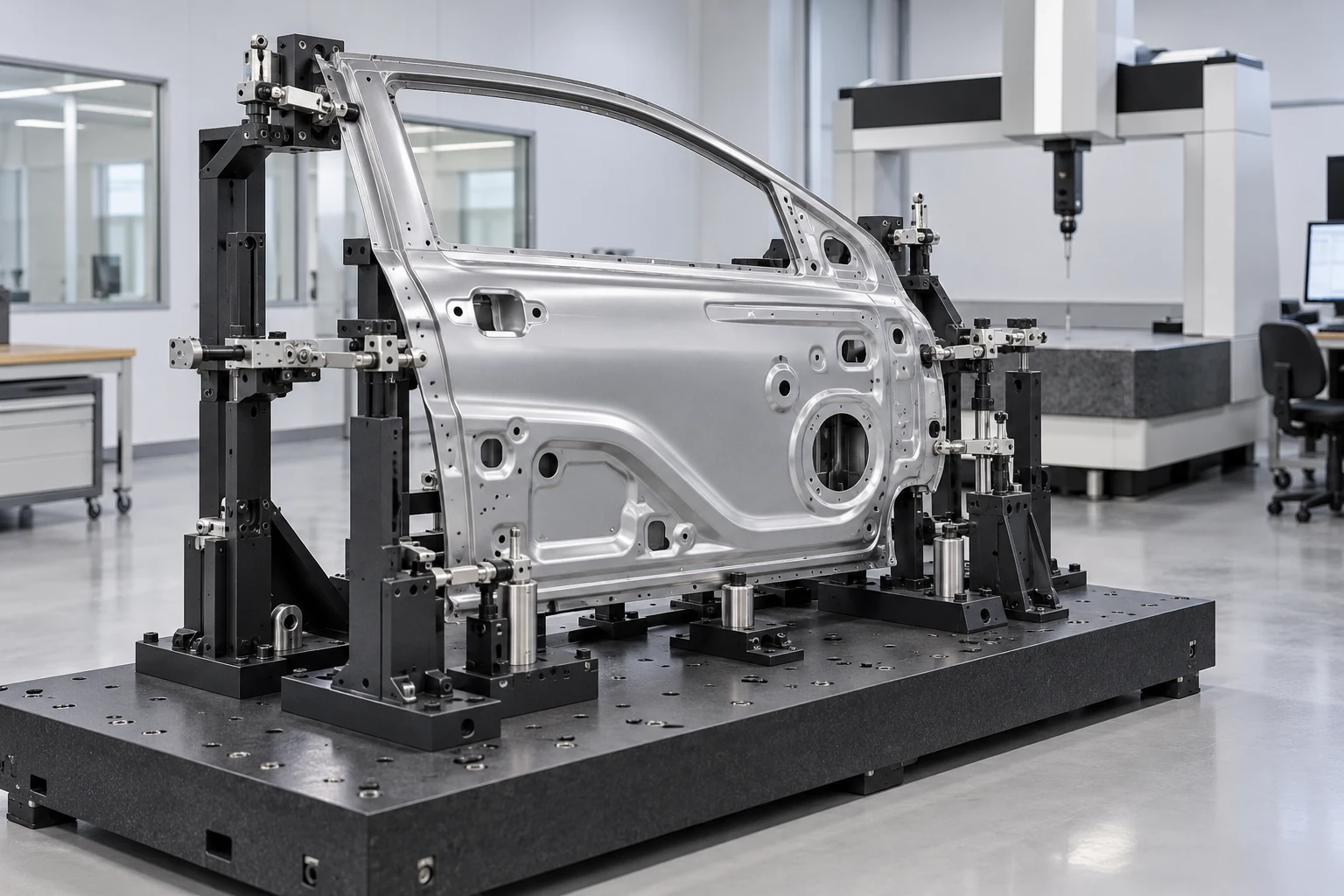
Automotive production workholding

Dedicated or family-based fixtures for machining automotive components, designed around the drawing datums, operation sequence, loading method and line takt requirements.

Configuration reviewed for each project

  • Part family, material and machining operations
  • Machine table / pallet interface and working envelope
  • Manual, pneumatic or hydraulic clamping concept
  • Changeover, operator access and inspection checkpoints
Request an engineering review

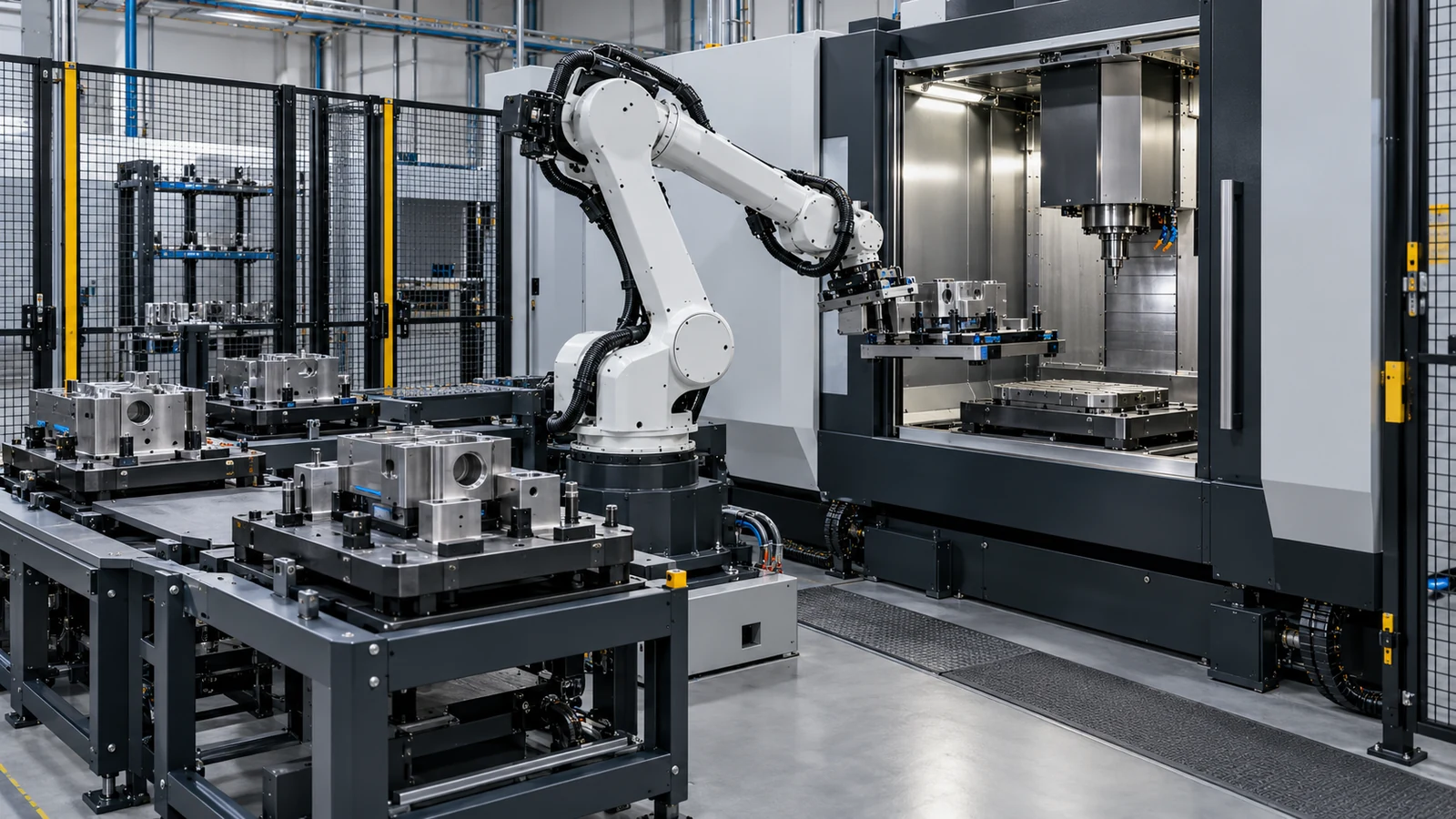
Multi-station and tombstone fixtures

Multi-face or multi-station workholding layouts that use available machine envelope efficiently while preserving tool access, chip evacuation and a consistent datum plan.

Configuration reviewed for each project

  • Number and orientation of stations or working faces
  • Part loading, clamp access and tool clearance
  • Machine envelope, table interface and pallet plan
  • Cutting loads, material and acceptance checks
Request an engineering review

Start with the engineering inputs

Send a drawing, machine and production target for technical review. A useful review is based on the operating context, not assumptions made from a catalogue name alone.

  • 3D model and GD&T
  • machine/table interface
  • material and cutting load
  • volume/cycle target
  • acceptance criteria

Custom CNC Workholding Fixture Design: What to Review

A useful fixture review connects the part drawing to the actual machining process. These inputs help establish a workable locating and clamping concept before the quotation is finalized.

Part definition and datums

Share the 2D drawing, 3D model and GD&T where available. Identify the critical features and the datum scheme the fixture needs to reproduce.

Machine and operation

Provide the machine model, table or pallet interface, machining operations and available envelope. These determine how the fixture mounts and where tools need access.

Clamping and production context

Describe the workpiece material, loading method, expected production rhythm and whether manual, pneumatic or hydraulic clamping is being considered.

Acceptance and handover

Flag the features that need checking and the inspection or acceptance method your team expects. Configuration and verification scope can then be agreed for the project.

Not every input needs to be complete to start a conversation. Use the custom fixture RFQ checklist to organize the drawing, machine and acceptance details for an engineering review.